It's interesting to see discussions here that are adamant that this is only about improving profit, or only about quality (battery), or only about getting back at qualcomm.
Apple has repeatedly shown that you don't have to make decisions on one to compromise the other. You can launch your own chip (M1), and improve quality (battery, perf), and improve profits, and get back at intel.
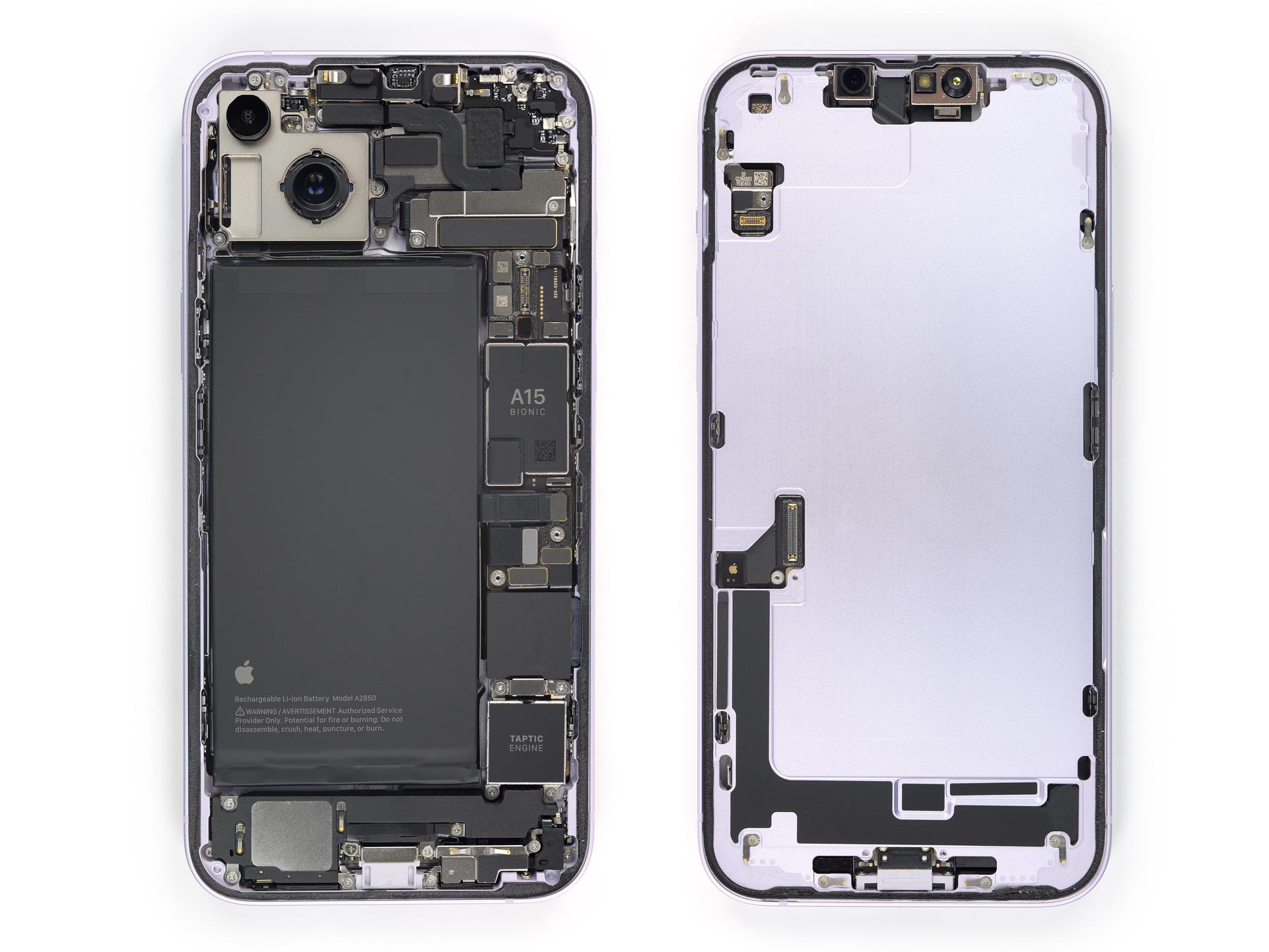
It's the same here. Watch the iFixit teardown videos to see just how big the standalone qualcomm modem chip is. I knew it was big, but it was even bigger than I thought.
Apple moving to an integrated chip can be a win in both quality (battery improvement and space on the SoC to put other stuff), cost, and getting back at qualcomm (who is getting more and more like Intel of mobile world, comfortable, monopolistic, litigative). They've proven that a vertically integrated SoC is better in every way.
So maybe stop arguing whether it's "this or that" it's this and that.
Also an overlooked point is diversification: Apple's chip aspirations have allowed functionality that isn't trivially/inexpensively possible with standard parts. This also makes copying any unique ideas much more difficult, since competitors can't just approach the chipmaker for the same part.
Apple could very well bring innovations to cellular modems that make their products behave more seamlessly or are simpler to use. Additionally they may introduce features that aren't currently possible with Qualcomm's designs.
Maybe although it’s going to be harder to do anything on that front because a modem has to follow standards and so non-standard extensions on the radio side are tricky. And since that’s the case, landing really new features can be tricky.
I wonder if they’re looking to do a city-level mesh network that only iPhones get to participate in where your phone can simultaneously transmit and receive on LTE (although I don’t know what kind of regulatory things come into play for that idea).
I think the main advantage is power, security (QC’s software stack was a giant mess last I looked), stability (see previous point) and time to market for new standards into as many products (improving battery life, cost and size of wearables using their chip). I’m sure how long it took them to get LTE from QC in a fit and finish that was acceptable wasn’t a lost frustration (since that’s repeated constantly with 3g and 4g previously too).
Also, at Apple’s scale, I’m sure being able to single source a chip that is vertically integrated across billions of phones means the costs of integrating it into other smaller product lines is even more amortized so more things will get the option of a modem.
It also wouldn’t surprise me if at some point Apple became their own ISP and could really start to add non-standard functionality and not be tied to individual ISPs. Their SOS satellite play is part of that I think but I’m not yet sure how terrestrial internet and satellite will interplay - maybe they need to vertically integrate the cellular modem with the satellite piece to get things to work at good enough power? Or maybe they’ll have base stations repeating satellite internet via traditional cellular/Wi-Fi?
If so, then yes that's a shockingly large piece of the phone.
Edit: @rdsubhas: Your link confirms that the modem really does take up a sizeable portion of the entire volume of the phone. Now Apple's desire to get more control of it makes a lot more sense. Thank you!
I definitely tend to agree. So many decisions, not just in product design or strategy, DO happen to take one option above all others. Increasing the overlap and moving all indicators at once is how you get ahead these days. Companies, products and strategies that focus on one thing above all else will probably tend to start not really cutting it when it comes to success.
> You can launch your own chip (M1), and improve quality (battery, perf), and improve profits, and get back at intel.
It's less about "getting back at intel" and more about having so much money that they need somewhere to invest it or increase the dividend and send that profit to the shareholders. The past decade, investors have constantly demanded Apple to turn over more/all of their cash to shareholders. A defense against activist investors is to show shareholders you are investing for the future. Bringing more production in-house is a great way to do it since it would eliminate future expenditures and increase profits in the future. Of course it all depends on execution. If Apple keeps minting money and their in-house hardware stack proves a success, I wouldn't be surprised if they start creating an in-house app stack.
I tend to think that big companies as they grow lose their focus and fail to adapt and further specialise. Just look at Google, they are imploding under their weight.
It’s so common to see Google bashing on HN now that it’s become a cliche. Google has never been good at monetizing products beyond their search. I don’t think it has anything to do with growing too large for its own good. Google is this generation’s Xerox PARC.
yea but apple has also chosen to use lightning with shit xfer speeds just to lock in its customers. m1 might have been nice but not every descision they made was good (look how they nerfed qualcomm iphones back in the day because the intel models couldnt compete with it)
The reason they went with Lightning was because the other option was Micro-USB at the time. Lightning is so so so much more robust than that awful USB connector and can be inserted any way round. Bring on 2015 and USB-C appeared which Apple jumped on pretty quickly with their MacBooks.
The iPhone is an outlier because due to the insane number of devices out there, if you change it now everyone's Lightning accessories are dead in the water. But it doesn't really matter now. Only thing Lightning gets used for most users is charging and it works fine for that and people have cables and chargers already floating around. This isn't a big deal really. They ship a USB-C to Lightning cable with the last 2 iPhones I bought and all my chargers are USB-C.
was there a point you are making or just a natural language response?
your use case isn't the only use case, expanding the possible use cases in obvious ways expands what users would do, such as upgrading 10 year old technology. News at 11.
The point is that sure you can punch yourself in the balls, complain it hurts then call for the regulators to provide a mechanism for you to stop punching yourself in the balls.
Or you could just stop punching yourself in the balls i.e. use WiFi and FGS just pay $3 for some storage rather than coming up with a wobbly straw man.
My experience is fairly vast. I use iOS for music/video/photography (iPad Pro), and support 11 other iOS devices (excluding watches, homepods) across my family who range from biochemical engineers to students to children to retirees to software engineers. That use case NEVER comes up these days in my experience unless you're hurting yourself.
this isn't a problem I have, it is a problem I know other people have. solved by faster transfer speeds than what Wifi or any airdrop combo offers. I am completely aware of how to avoid the problem, I am also completely aware of how to make it less of a problem with faster transfer speeds.
why are you worried about accessories? Apple absolutely is not worried about that, one of their favorite things to do is pull the rug under accessory holders.
> Apple absolutely is not worried about that, one of their favorite things to do is pull the rug under accessory holders.
This simply isn’t borne out by fact. The entire iPod, iPhone and iPad (non-Pro) range, going back over 20 years, have had exactly two connectors.
I bet there isn’t someone at Samsung or Motorola who can even tell you how many different connectors their products have used over that period of time, let alone what they were.
You know they won't. Take a look at what they did on the iPad lineup for what is coming on the iPhones:
Basic iPads only support USB2.0 transfer rates (480 Mbps). The iPad Pros get full Thunderbolt speeds. Expect the same for iPhones, I'd say.
The EU mandate is about forcing a single connector type. It doesn't say anything about quality of service of the connector, because ultimately it depends on the device.
First I'm hearing about nerfed iphones, but if true this sounds like a reasonable decision from a business perspective.
They wouldn't want customers worrying about whether they got the better qualcomm iPhone X or the slower intel iPhone X.
Apple could have chosen to make everything with the faster qualcomm chips, but they prob wanted to derisk their supply chain by diversifying onto two chip manufacturers (and perhaps play them against each other for negotiating power)
Either ways, once you arrive a the result that you need to chip manufacturers making chips for the same phones, you need to make sure your customers have practically the same experience regardless of the underlying hardware they end up with


Apple has repeatedly shown that you don't have to make decisions on one to compromise the other. You can launch your own chip (M1), and improve quality (battery, perf), and improve profits, and get back at intel.
It's the same here. Watch the iFixit teardown videos to see just how big the standalone qualcomm modem chip is. I knew it was big, but it was even bigger than I thought.
Apple moving to an integrated chip can be a win in both quality (battery improvement and space on the SoC to put other stuff), cost, and getting back at qualcomm (who is getting more and more like Intel of mobile world, comfortable, monopolistic, litigative). They've proven that a vertically integrated SoC is better in every way.
So maybe stop arguing whether it's "this or that" it's this and that.